
Plastic Thermoform
Advantages of Plastic Thermoforming
The Thermoforming process has many advantages over other types of molding. Most commonly it is compared to the injection molding process as either process can be used for a large number of applications. Although they are often compared there are several drastic differences between the two processes. Injection molding has its limitations when it comes to size of product and cost of tooling. A typical injection mold tool will cost roughly 33% more than a similar thermoformed tool, and the margin increases as the parts gets larger. Injection molding does not have a good prototype process, typically SLA or SLS parts are used for prototyping, which offer limited comparisons to the actual final product, can be expensive, and are not of the same material the final product will be made from. Thermoforming on the other hand utilizes a prototype tool made from wood or epoxy that can be used to create several finished parts of the product and formed from the same material as what the final product will be made from. Therefore many possible design or fit issues can be caught up front before going to production tooling, thus saving time and money. When it comes to large parts, thermoforming wins hands down. From cost for both tooling and parts there is little comparison. A typical 45”x48” part for instance would have tooling at roughly half the cost of a comparable injection mold and the piece price is generally less as well, depending on material choice. With any process there are limitations to what can be produced. If you have questions about the viability of using thermoforming for your application please contact our engineering staff.
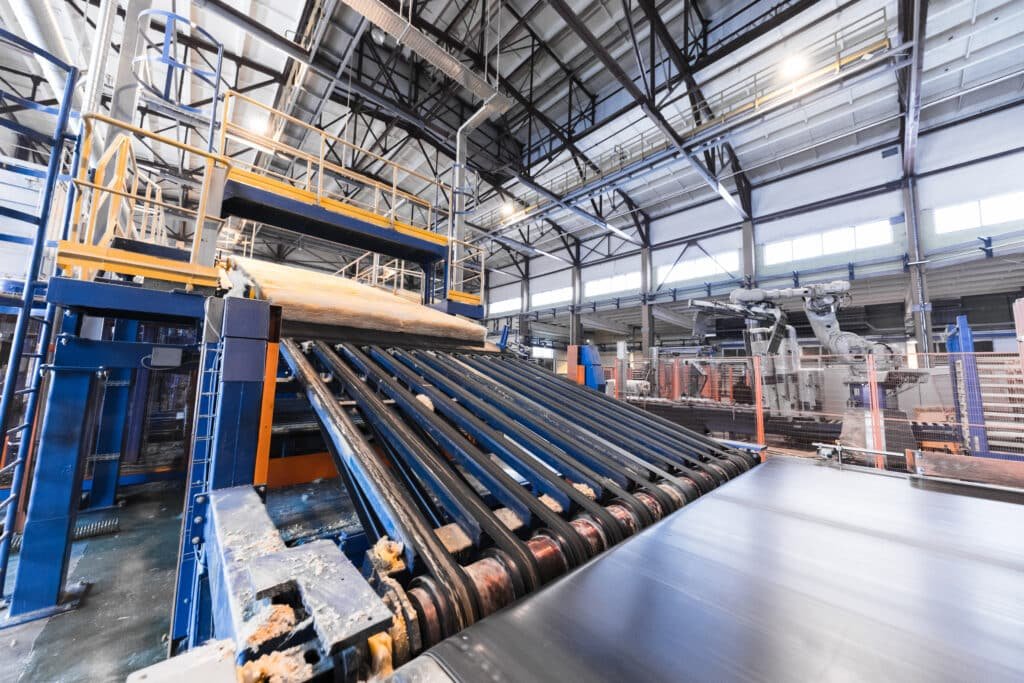
Thermoforming compared with injection molding
Thermoforming heats a plastic sheet and draws it over a mold. Tooling cost and lead time are usually lower than injection molding, which suits larger parts and lower volumes.
Injection molding wins on fine detail, tight tolerance and high volume. Thermoforming wins on large panels, covers, trays and housings where wall detail is simple.
Tell us part size, depth, sheet material and yearly volume and we will say which process fits. See Plastic Injection for the other route. Send a drawing or sample through the quote form and we will review it with you.