
Automotive Industry

Custom molded and extruded rubber and plastic parts for automotive applications – built to your print, or designed with you.

Rubber and plastic applications in automotive

COi Rubber manufactures custom molded and extruded rubber and plastic parts for automotive systems. Buyers come to us for parts that seal, isolate, cushion and protect across chassis, braking and NVH applications – from CV boots and caliper seals to rubber-to-metal bonded mounts. We build to your print, or help you design the part from the requirement up, including kitting and assembly work.

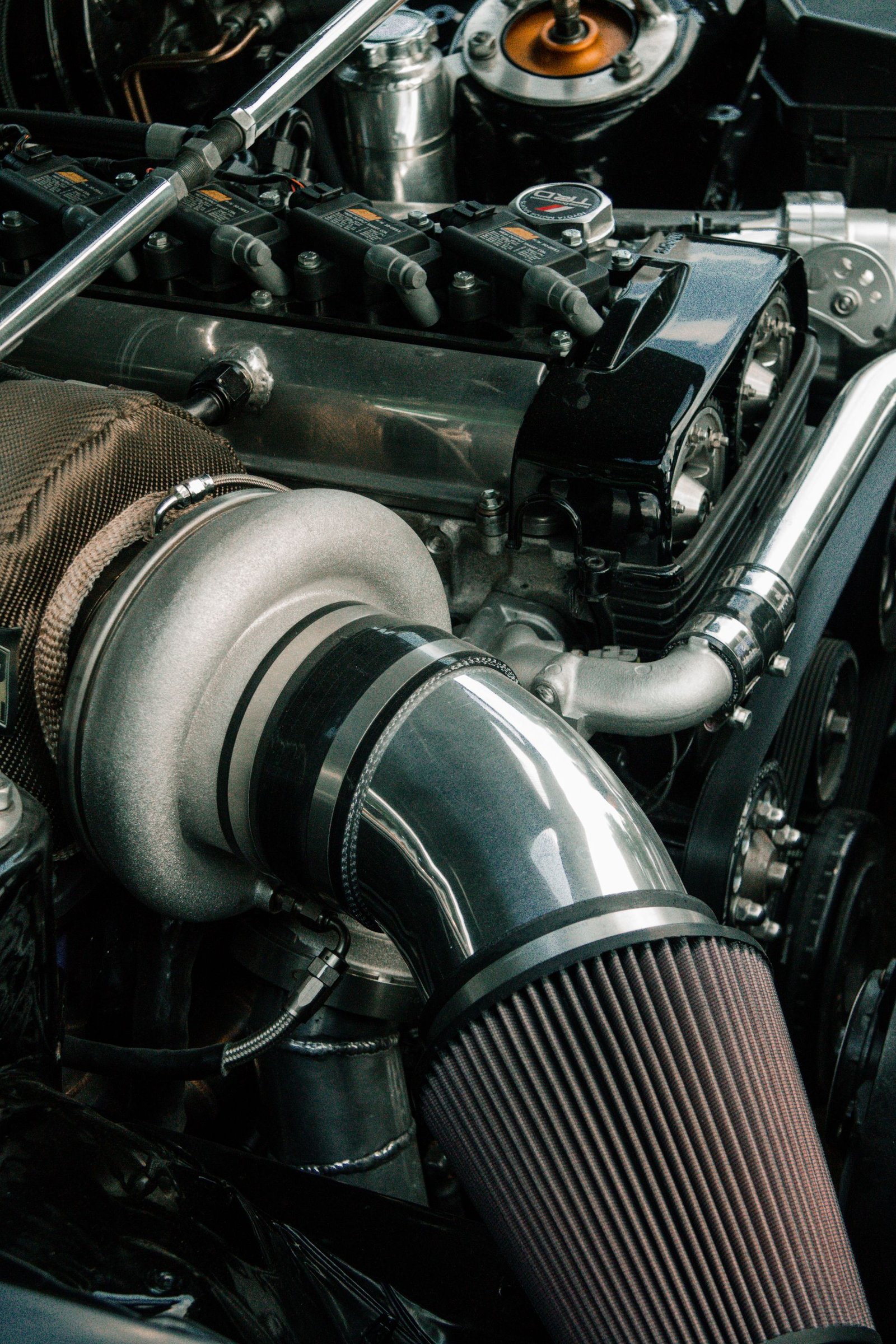
View of a car engine bay (stock photo, illustrative)
Stock photo of a car engine bay – an example of the equipment these parts serve, not COi Rubber parts. One photo cannot show every use; the list below covers common applications.

Below are common rubber and plastic applications our customers source in this industry, and the materials we mold for them. These are engineering considerations, not guarantees of suitability – final selection depends on your drawing, operating environment and testing. Send a drawing or a sample part and we will match the compound, durometer and process to the application.

Applications:

  • CV boots and steering boots (rubber) – protect constant-velocity joints and steering systems from dirt, water and road salt; the compound has to flex for years without cracking.
  • Brake diaphragms and caliper seals (rubber) – seal brake boosters, calipers and master cylinders against fluid, heat and pressure cycling.
  • Vibration mounts and rubber-to-metal assemblies (rubber or rubber-metal assemblies) – engine mounts, body and chassis mounts, center bearing supports and isolators that control noise, vibration and harshness.
  • Shock absorber seals and bellows (rubber) – keep oil in and grit out of dampers and struts through constant motion.
  • Pedal pads, bushings and trim (rubber) – molded wear surfaces and isolation bushings across the chassis and interior.
  • Exhaust hangers and isolators (rubber) – suspend the exhaust and isolate it from the body; heat and ozone resistance drive the compound choice.
  • Plastic clips, covers and ducting (plastic) – molded plastic components where weight, insulation or cosmetics call for polymer instead of metal.

Materials:

  • Silicone
  • Ethylene Propylene Diene (EPDM)
  • Polychloroprene (CR)
  • Natural Rubber (NR)
  • Styrene Butadiene (SBR)
  • Fluoroelastomer (FKM) or Viton®
Get a quote for your project:
sales@coirubber.com
Visit us at: coirubber.com

Have a question? Use our contact form to receive information regarding your inquiry. You may also give us a call at (626) 965-9966.

Materials and your RFQ

Heat, oil, ozone and road chemicals define automotive rubber life. EPDM resists weather and water for exterior seals. Polychloroprene (CR) balances oil and weather resistance for boots and bellows. Natural rubber and SBR bring resilience for mounts, bushings and hangers. Silicone suits high-temperature areas. FKM serves fuel and oil exposure.

When you request a part, tell us the temperature range, media or chemical exposure, and expected service life, and include the drawing or a sample part. We match the compound and durometer to that.

Design considerations for automotive parts

The right compound depends on the conditions the part will live in. The points below shape material and geometry choices for automotive applications:

  • Sealing and contamination. Boots, bellows and seals keep dirt, water and road salt away from joints, racks and dampers; profile and compound follow the contamination and the motion the part will see.
  • Temperature. Underhood heat and cold starts narrow the compound list; silicone suits high-temperature areas, EPDM covers exterior weathering, FKM handles fuel and oil exposure with heat.
  • Fluid exposure. Oil, fuel and brake fluid rule compounds in or out – list what the part will contact.
  • Flex fatigue. CV and steering boots must flex for years without cracking; compound and wall design follow the cycle-life target.
  • Vibration and NVH. Mounts and isolators trade damping against stability; engine, body and chassis mounts are sized from the load and the frequencies involved.
  • Ozone and road chemicals. Exterior and underbody parts see ozone, salt and road wash; compound choice follows that exposure.

These are engineering considerations to review together at the quoting stage, not guarantees of suitability for a specific application.

Molding and extrusion for automotive

We match the process to the part and the volume:

  • Rubber molding – compression, transfer and injection molding for boots, seals, diaphragms, mounts and bushings, from prototype quantities through production runs.
  • Plastic molding and extrusion – injection-molded housings, bezels and trim, plus extruded profiles where the cross-section is constant.
  • Bonded assemblies – rubber bonded to metal or plastic inserts where the part must seal and fasten in one piece.

Send a drawing or a sample part and we will recommend the process, tooling approach and compound together.

From prototype to production

Automotive programs run at Level 3 PPAP – the standard submission level for the industry – and we work to it every day. Every new part starts with first article inspection and a full documentation package: design records and engineering change documents, process flow diagrams, PFMEA, a control plan, measurement system analysis (MSA), capability studies (CPK) on the critical dimensions, and a signed Part Submission Warrant (PSW) before production ships. We provide material certifications verified in our own lab against your material requirements, plus a dimensional layout, a bubble blueprint and a signed first article form. Higher-requirement projects can run customer-defined Level 4 submissions where specified. Our manufacturing facility is IATF 16949 certified, with APQP and 5-Why and fishbone root-cause analysis built into our quality process. Once a part is approved, we hold the compound, durometer and tooling consistent so reorders match the approved part.

What to include in your RFQ

A complete RFQ gets a faster, more accurate quote. Include what you can from this list:

  • Drawing or sample part (2D or 3D files welcome)
  • Prototype and annual quantities
  • Operating environment: temperature range, fluid exposure, cycle duty
  • Any required standard or rating (for example a flammability rating)
  • Tolerance and fit requirements, including mating surfaces
  • Target timeline for samples and production

Send these to sales@coirubber.com and we will respond with material and process recommendations.

BBB profile