
Metal Stamping
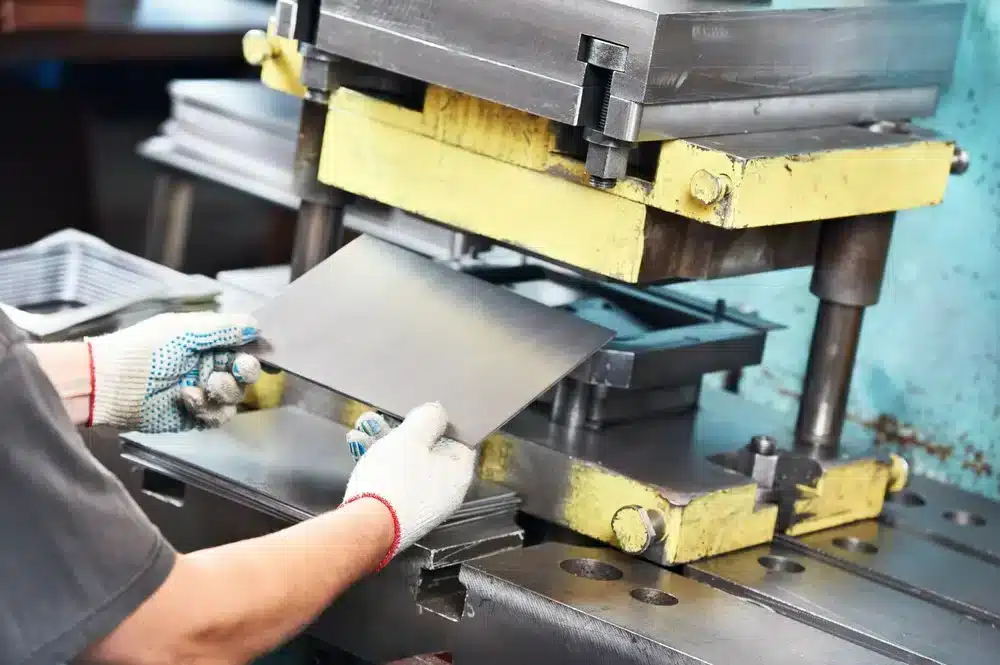
About Metal Stamping
Metal stamping is a manufacturing process that uses a combination of dies and high-pressure machinery to shape, cut, or emboss sheet metal into specific forms or components. This process is highly versatile and can produce a wide range of parts, from simple shapes to complex designs with precise dimensions. Common techniques in metal stamping include blanking, bending, punching, and coining, which allow for the creation of components used in industries such as automotive, aerospace, electronics, and construction. Metal stamping is known for its efficiency, cost-effectiveness, and ability to produce high volumes of parts with consistent quality and accuracy.
Examples of metal stamping include brackets, heat sinks, metal fasteners, and hinges.
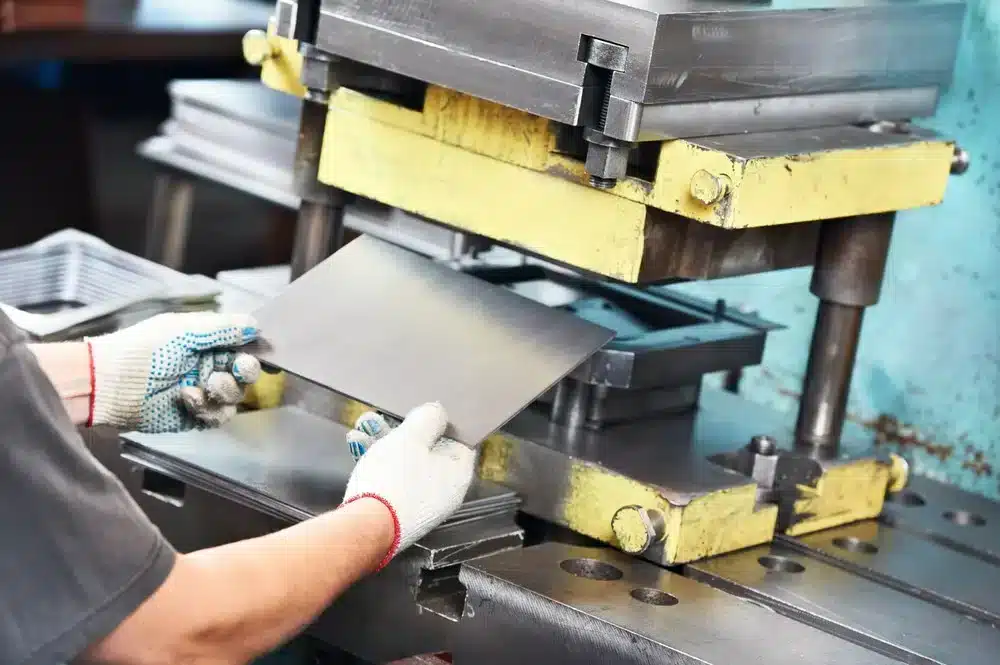
Metal stamping and combined assemblies
Stamping presses sheet metal into brackets, clips, plates, washers and inserts. Our stamping is done in house, which keeps metal parts close to our molding work. A stamped insert molded or bonded into rubber or plastic gives you one part with the strength of metal and the sealing or cushioning of an elastomer.
Design points that save cost: keep hole diameters at least equal to the material thickness, keep holes away from bends, and call out tight tolerances only where fit depends on them. Specify burr direction if the part will be bonded or handled by hand.
Finish and prep are set by the application. Plating or coating, and cleaning before rubber-to-metal bonding, change both cost and adhesion, so tell us how the part is used. Send a drawing or sample through the quote form and we will review it with you. Include material, thickness, annual volume, and whether the part will be molded into another component.