
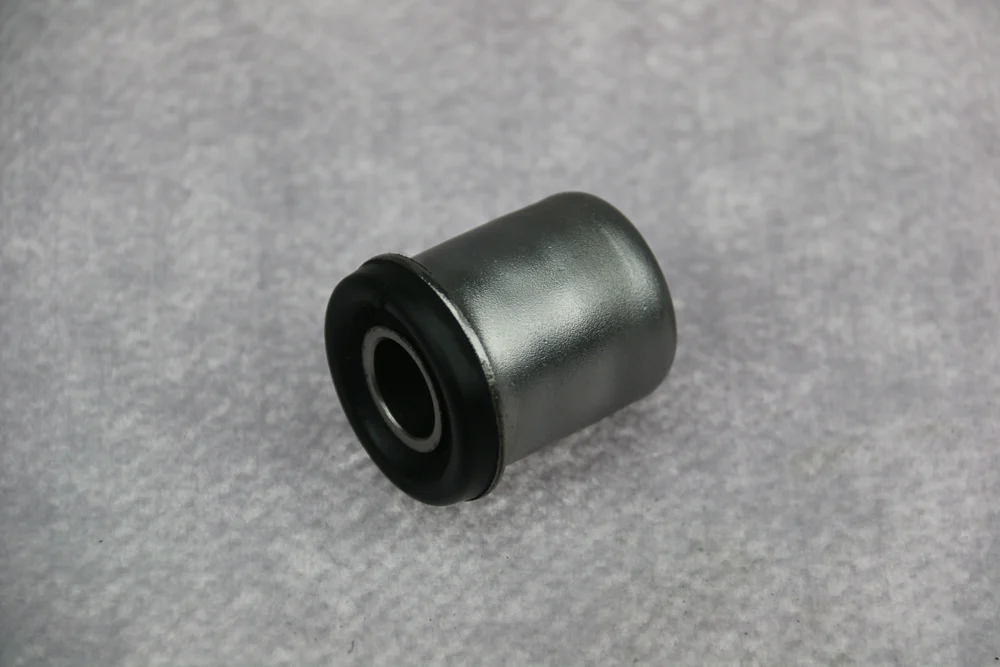
A useful rubber-part RFQ does more than ask for a price. It gives the supplier enough information to identify questions before tooling or production begins. You do not need a perfect specification to start a discussion, but it helps to separate confirmed requirements from details that are still open.
Start with the drawing and its revision
Send the current drawing, revision level and units. Mark the dimensions that control fit, sealing or assembly. If you have a sample but no drawing, say so. A sample can support a discussion, but it should not silently replace acceptance criteria. Include mating-part information when the fit depends on another component.
Photos can show the application and the failure you want to prevent. However, they rarely establish a dimension or tolerance on their own. For custom rubber products, a clear drawing and a short explanation of the part’s job are a stronger starting point than a photo alone.
Describe the service, not only the material name
List the fluids, temperature range, outdoor exposure and movement the part will experience. Distinguish a brief temperature peak from continuous exposure. Say whether the part seals, cushions, grips or isolates vibration. If an existing compound is required, include its full specification rather than only a broad polymer family.
When a material choice is open, explain what can change. Our engineering information 还有 test video library can help frame those questions. They do not replace application testing or an agreed acceptance specification.
Make hardness and testing requirements explicit
A hardness number needs a scale. If a drawing specifies Shore A, include the allowable range and the test method required by the customer. Avoid treating hardness as a complete description of a compound. Other requirements may address tensile properties, fluid exposure or compression set, depending on the part’s function.
See ASTM D2240 durometer testing for an introduction to hardness measurement. List the exact reports, certificates and sample approvals you need with the quote request. That helps keep required testing separate from optional information and prevents two quotes from appearing comparable when their scopes differ.
Include quantities and the delivery destination
Provide the prototype quantity, expected production order size and estimated annual demand. Identify the delivery destination and the date the parts must arrive, rather than using an ambiguous ship date. Mention packaging, labeling and traceability requirements at the start. These details belong in the same discussion as the part drawing.
Finally, name the person who can answer technical questions and the person who approves changes. A short list of unresolved questions is better than an assumption hidden in a quote. Request a quote from COi with your drawing and application notes. We can review the information and identify what still needs to be settled before the next step.